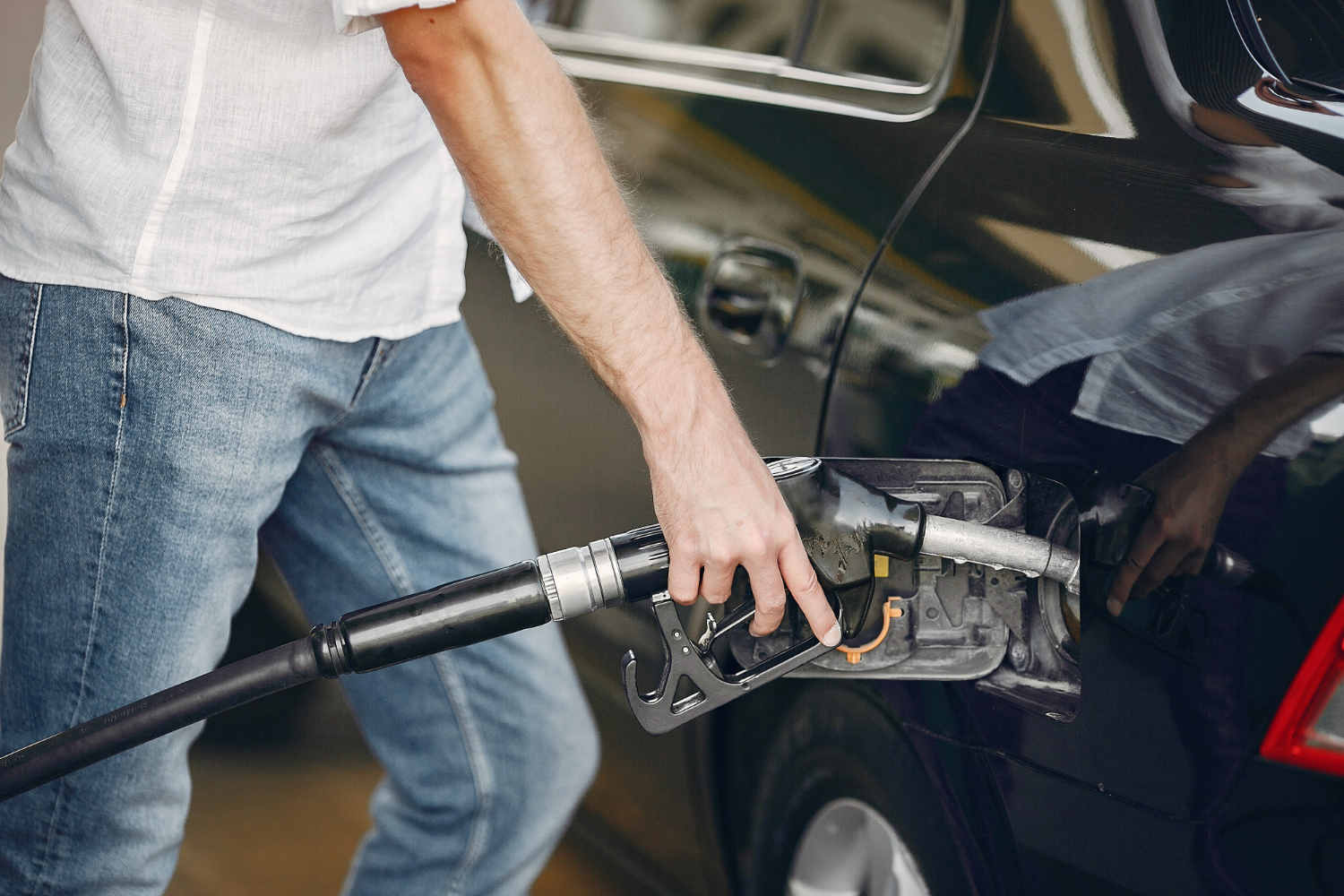
Fuel efficiency plays a quiet but powerful role in long-term car ownership. It affects daily costs, planning habits, and even how owners feel about their vehicles. Many buyers focus on price or style first, yet fuel use shapes expenses year after year. Understanding this link helps drivers make wiser choices. A fuel-smart car can reduce stress and support better budgeting. It also connects to maintenance, resale, and environmental impact. Looking at fuel efficiency from several angles reveals why it matters far beyond the pump.
Impact on Daily Fuel Spending
 Fuel efficiency directly shapes how much money leaves your wallet each week. Cars that travel farther on less fuel soften the effect of price swings. Over months, small savings grow into meaningful totals. This consistency supports better financial control. Drivers can plan trips with more confidence. They also refuel less often, which saves time. A more efficient engine can feel like a quiet helper. It works in the background and reduces pressure without demanding attention.
Impact on Long-Term Budget Planning
Long-term ownership requires steady planning. Fuel-efficient vehicles make future costs easier to predict. Owners can map yearly expenses with fewer surprises. This clarity helps ensure budgets stay realistic. It also supports decisions about insurance, maintenance, and upgrades. When fuel costs remain stable, other goals feel more reachable. The benefit becomes clearer as years pass. Predictable spending builds trust between the driver and the vehicle.
Impact on Maintenance and Wear
Efficiency often reflects thoughtful engineering. Engines designed to use less fuel tend to run cooler and cleaner. This can reduce strain on key parts. Less stress may lower the chance of early repairs. While maintenance still matters, the rhythm can feel smoother. Owners notice fewer sudden issues. Over time, this balance supports steady performance. It shows how efficiency and durability often move together.
Impact on Vehicle Lifespan
A car that manages fuel well may also age more gracefully. Consistent operation reduces extreme wear. This can help preserve core systems for longer periods. Owners who drive efficiently often adopt gentler habits. Those habits support the car’s overall health. The result is a vehicle that stays reliable deeper into its life. Longevity becomes a practical reward, not a promise.
Impact on Resale Value

Resale value matters to many owners. Fuel-efficient models often attract wider interest in the used market. Buyers look for lower running costs and dependable use. A reputation for saving fuel adds appeal. It can make a listing stand out in a crowded space. Even older cars benefit from this perception. Strong demand can translate into better offers when it is time to sell.
Impact on Driving Behavior
Driving style often changes with an efficient car. Owners become more aware of acceleration and pacing. Smooth habits help maintain good mileage. This awareness can spread to other areas of driving. It encourages patience and planning. The experience feels calmer and more controlled. Over time, these habits may improve safety and comfort as well.
Impact on Environmental Responsibility
Fuel efficiency connects ownership to broader responsibility. Using less fuel means producing fewer emissions. This supports cleaner air and reduced resource use. Each trip carries a smaller footprint. While no car removes impact entirely, efficient models lower it. This balance appeals to drivers who value practical action. It reflects a mindset that blends care with everyday needs.
Impact on Ownership Satisfaction

Overall satisfaction grows when costs, performance, and values align. Fuel efficiency supports that balance in quiet ways. It reduces worry during long ownership periods. It also reinforces smart decision-making. The benefit feels unique because it touches many aspects at once. From savings to comfort, the effect is wide. Few features influence ownership so consistently or for so long.
Long ownership also reveals how small efficiencies protect peace of mind. When fuel use stays reasonable, planning feels simpler. Owners spend less time worrying about sudden cost shifts. This steadiness supports confidence during economic changes. It also helps households balance transport with other priorities. Over the years, such a balance becomes valuable. The car feels like a stable partner rather than a burden. That perception matters in daily life. Trust grows through repeated, predictable outcomes. Drivers learn what to expect and can act early when patterns change. This awareness supports upkeep decisions. It encourages timely service instead of rushed fixes. With thoughtful care, the vehicle delivers its utmost potential. The relationship becomes practical and sustainable. In the long run, efficiency quietly shapes satisfaction in ways that statistics alone cannot explain.